Banz & Bowinkel AR
- Conception d'art
- 1.11
- 53.7 MB
- by Friedemann Banz
- Android 9.0+
- Mar 18,2026
- Nom du paquet: com.banzbowinkel.App
App Concept: "Banz & Bowinkel Interface" — An Augmented Creative Companion
“A digital mirror to the mind, a glitch in the real.”
🎨 Overview:
“Banz & Bowinkel Interface” is an experimental, immersive app designed as a complementary artistic instrument for the practice of Banz & Bowinkel. It doesn’t replicate their work — it resonates with it. The app exists at the threshold between human intuition and machine logic, mirroring their critical exploration of virtuality, perception, and the evolving boundary between body and code.
Built not as a tool for creation in the traditional sense, but as a sensorium for artistic reflection, the app invites users into a meditative, algorithmically generated environment that evolves in response to subtle inputs — gestures, breath, gaze, or silence.
🌐 Core Philosophy (Aligned with Banz & Bowinkel’s Practice):
- Reality as a Process, Not a State: The app rejects fixed outputs. Instead, it simulates the instability of perception in a digital age — where meaning emerges from entropy, delay, and misalignment.
- Binary vs. Embodied: It juxtaposes the cold logic of machine processing with the warmth of human presence — not to reconcile them, but to expose their tension.
- The Screen as a Threshold: The interface doesn’t represent reality — it is a liminal space, where every pixel is a question.
🖥️ Key Features & Interactions:
1. “Glitch Palette” – Dynamic Aesthetic Generator
- A non-linear color and form engine that generates abstract visual fields using algorithms inspired by Banz & Bowinkel’s use of digital noise, corrupted textures, and recursive structures.
- Colors shift not according to time, but based on user micro-behaviors: eye movement tracked via camera (optional), subtle hand tremors, or even ambient noise levels (e.g., typing sounds, breathing).
- Output resembles a digital dream: traces of memory, artifacts of processing, form emerging from error.
2. “Echo Canvas” – Spatial Memory Resonance
- Users draw, trace, or gesture on the screen. The app doesn’t record the gesture — it echoes it in a 3D space that exists only in memory and virtuality.
- After a few seconds, the gesture dissolves, but its afterimage persists in a recursive, recursive blur — like a thought fading from a screen.
- Over time, the canvas becomes a palimpsest of forgotten actions — a metaphor for how digital traces outlive their intention.
3. “Binary Reverie” – Textual Mediation Engine
- The app presents short, poetic fragments of text in a constantly shifting, fragmented script (e.g., "The screen is not a window. It is a wound."), rendered in a low-resolution font, flickering between readable and illegible.
- Texts are generated by a neural network trained on Banz & Bowinkel’s writings, interviews, and conceptual essays — but corrupted by noise, repetition, and semantic drift.
- Users can "listen" to these fragments via text-to-speech, but the voice is distorted, delayed, or reversed — a voice that doesn’t belong to anyone.
4. “No Signal” – The Anti-Feedback Loop
- A mode where the app deliberately fails to respond.
- After 30 seconds of inactivity, the screen goes black. But instead of a loading animation, it displays:
"You are not being seen."
Then, after 3 seconds:
"But you are still here." - This is not a bug — it’s a statement. It forces the user to confront the absence of recognition, a digital version of existential presence.
5. “Sync Mode” – Co-Existence with Banz & Bowinkel’s Work
- The app syncs with public exhibitions or digital archives of Banz & Bowinkel’s work (e.g., online installations, published videos).
- When activated, it overlays a subtle, translucent layer of their artwork — not as a reproduction, but as a ghosted imprint — shifting in opacity based on ambient light, time of day, or the user’s heartbeat (via wearable integration).
- The user becomes a participant in a living archive — not a viewer, but a silent co-author.
🧠 Design Aesthetic:
- Interface Language: Minimalist, almost austere — no icons, no menus.
- Visual Grammar: Borrowing from 1980s terminal aesthetics, early web design, and glitch art. Think: DOS prompt meets MRI scan, rendered in 1-bit color.
- Sound Design: Non-musical. Ambient pulses, static bursts, micro-silences. All generated algorithmically in real time — never looped.
🔐 Ethical & Conceptual Boundaries:
- No data is stored. No biometrics are transmitted.
- The app does not track identity, behavior, or performance.
- All user interactions are ephemeral — erased after 10 seconds, unless the user explicitly chooses to save a moment (which results in a single, corrupted image file).
📱 Platform & Access:
- Available as a standalone iOS/Android app, or as a web-based experience via www.banzbowinkel.de/interact
- Optional integration with AR (e.g., through Apple Vision Pro or Meta Quest) to project the experience into physical space — blurring the line between screen and room.
🌱 Purpose:
To become a thinking companion for artists, curators, and audiences — not a utility, but an experience of thought.
It asks:
When the screen becomes a mirror, what do we see? Not ourselves — but the machine’s longing to be seen.
📜 Final Note (Text on Startup Screen):
“This app does not create art.
It asks:
What if art is not made —
but remembered?”
Developed in collaboration with Banz & Bowinkel (conceptual advisory only).
Not for sale. Not for download. Only for those who have already looked too long at the screen and wondered what it saw back.
— www.banzbowinkel.de/interact (invisibly embedded)







-
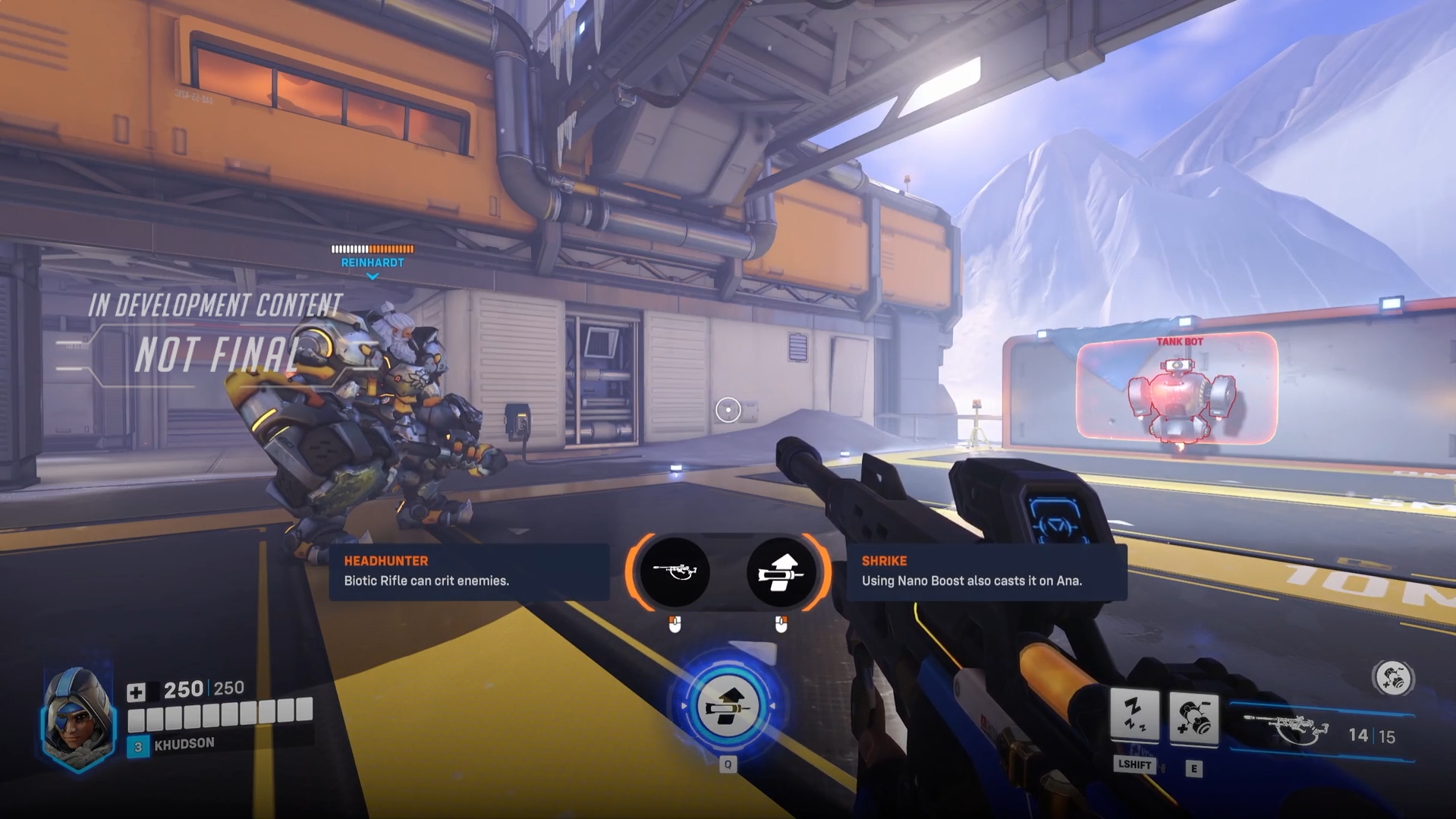 Blizzard salue l'essor de Marvel Rivals et annonce une refonte majeure d'Overwatch 2
Marvel Rivals a suscité des comparaisons inévitables avec Overwatch depuis sa révélation. À son noyau, Marvel Rivals fait écho au jeu de Blizzard ; bien qu’il mette en scène des héros et des méchants Marvel jouables, il reste un jeu de tir heroïque m
Sep 19,2026 -
Notes de mise à jour de la saison 3 de Black Ops 6 dévoilées
Les joueurs de Clash Royale peuvent enfin déchaîner un Dragon Infernal amélioré après près d’une décennie. La légende enflammée bénéficie d’une augmentation majeure de puissance dans cette évolution tant attendue. Supercell a célébré la révélation av
Sep 19,2026 - ◇ Alors qu’Elio échoue, un dirigeant de Pixar admet qu’il est « difficile » de produire des films originaux, mais que l’alternative serait « faire Toy Story 27 » Sep 16,2026
- ◇ Disney Magic Match 3D ouvre la pré-inscription Sep 15,2026
- ◇ WoW révèle les pouvoirs de Plunderstorm Sep 14,2026
- ◇ Mise à jour des Profondeurs Abysse d'Albion Online : la sortie approche Sep 13,2026
- ◇ Dragon Raja ajoute une nouvelle classe et du contenu de raid dans sa dernière mise à jour de carnaval d'été Sep 13,2026
- ◇ Moniteur Samsung Odyssey Neo G8 4K à 499 $ grâce à un bon de réduction de 800 $ Sep 12,2026
- ◇ Bande-annonce de The Devil Wears Prada 2 : Meryl Streep et Anne Hathaway réunies dans leurs rôles iconiques Sep 10,2026
- ◇ Un calendrier en compte 12, pour un mot – Indice de mots croisés – Essayez des guides Sep 09,2026
- ◇ Starbreeze annule Dungeons & Dragons et réduit ses effectifs pour Payday Sep 07,2026
- ◇ Les fans célèbrent après que Google a fermé deux des plus grandes chaînes de fausses bandes-annonces sur YouTube Sep 07,2026

- 1 Comment obtenir toutes les tenues de capacité à Infinity Nikki Feb 28,2025
- 2 Pokemon GO Fest 2025 : dates, lieux et détails de l’événement Jan 08,2025
- 3 Internet ukrainien bloqué sous le nom de « S.T.A.L.K.E.R. 2' La sortie submerge Dec 30,2024
- 4 Black Myth : Wukong en tête des classements Steam quelques jours avant son lancement Jan 07,2025
- 5 POCKE POKÉMON TCG: Date de choix, heure et cartes promotionnelles - février 2025 Mar 03,2025
- 6 Inzoi, un Sims coréen, retardé à mars 2025 Mar 01,2025
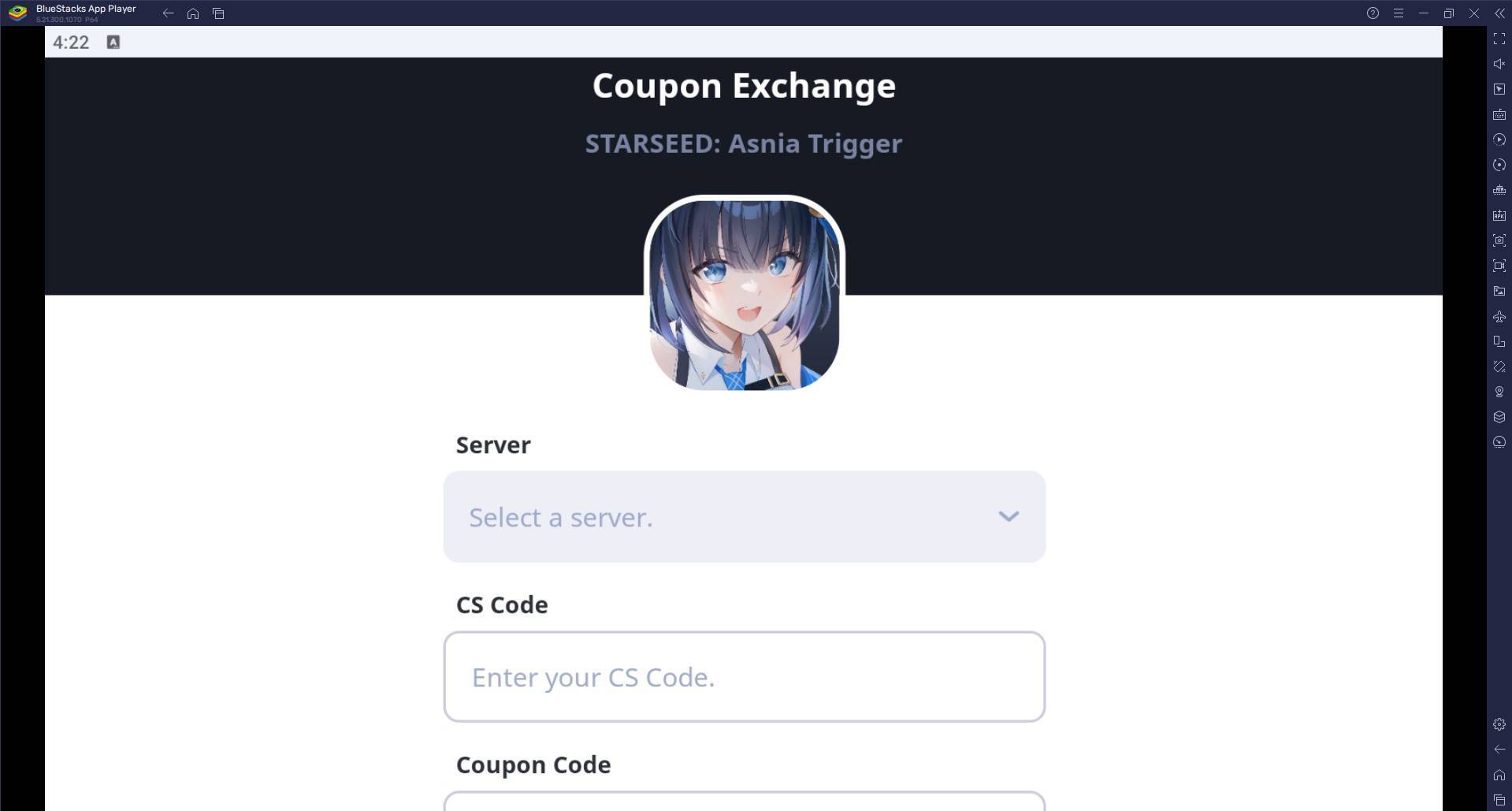
- 7 Codes de déclenchement étoiles Asnia (janvier 2025) Mar 06,2025
- 8 Assassin's Creed Shadows reportée au mars 2025 pour les améliorations Feb 21,2025





-
Jeux hypercastuels addictifs pour un jeu rapide
Un total de 10