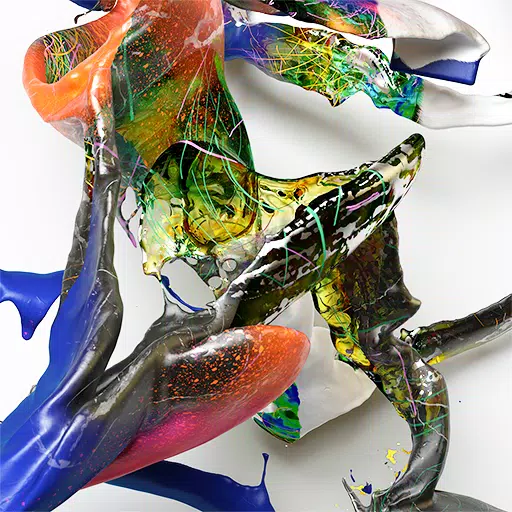
Banz & Bowinkel AR
- Diseño artístico
- 1.11
- 53.7 MB
- by Friedemann Banz
- Android 9.0+
- Mar 18,2026
- Nombre del paquete: com.banzbowinkel.App
App Concept: Banz & Bowinkel: Interface of Perception
An Augmented Reality (AR) & Generative Art App for Exploring the Blurring Boundaries Between Virtual and Physical Reality
Title:
Interface of Perception
An App for Banz & Bowinkel’s Artistic Practice
Overview:
Interface of Perception is an immersive, generative mobile and AR application designed to extend the artistic inquiry of Banz & Bowinkel into the everyday experience of the viewer. Built as both an artistic tool and an interactive meditation on digital perception, the app allows users to navigate, manipulate, and become part of the very conceptual terrain the artists explore: the unstable boundary between the physical world and its digital representation.
The app functions as a living extension of Banz & Bowinkel’s practice—blending algorithmic logic, perceptual ambiguity, and spatial illusion to challenge how we see, interpret, and inhabit reality.
🌐 Core Concept:
The app treats the smartphone or tablet not as a window, but as a mediating organism—a prosthetic consciousness that filters and distorts reality through computational logic. By placing the user at the center of a constantly shifting interface, the app embodies the artists’ central theme: as we rely more on devices, reality becomes less objective and more performative.
🔧 Key Features:
1. Perception Engine (Generative Algorithmic Layer)
- Uses real-time environmental scanning (via camera and sensors) to detect physical space—walls, light, movement.
- Applies Banz & Bowinkel’s signature aesthetic: glitched geometries, recursive patterns, and uncanny digital artifacts (e.g., duplicated furniture, floating text, reversed depth).
- The algorithm interprets the physical world through a "binary lens"—as the machine sees it: fragmented, logical, yet illogical.
Example: A chair in the room appears to fold into itself, its legs folding into a 3D fractal. The app renders it as a wireframe, then overlays it with a low-poly version that flickers in and out of existence.
2. Symbiosis Mode (AR Interaction Layer)
- Users can "wear" the app like a second skin.
- AR elements begin to interact with the user’s body: their hand might become translucent, showing a digital skeleton beneath; their face is replaced with a pixelated mask that evolves in response to facial movement.
- The app tracks micro-expressions and gestures, responding with abstract, generative animations that reflect emotional states as data.
Philosophical prompt: "What does it mean to be human when your emotions are translated into code?"
3. Reality Fold (Spatial Continuum Mode)
- Users can "fold" a physical space into a virtual one using touch.
- Pointing at a wall, they can stretch it like fabric, warping it into a digital tunnel or infinite corridor.
- This feature visualizes the artists’ exploration of how digital logic distorts physical perception—e.g., a hallway becomes a Möbius strip.
Inspired by: Banz & Bowinkel’s fascination with recursive space and architectural illusion.
4. Memory Archive (User-Generated Art Layer)
- The app records and archives moments when users experience "perceptual dislocation"—e.g., when they first notice a digital object floating in a real room.
- These moments are anonymized and transformed into generative artworks, uploaded to a public, evolving digital archive.
- The archive becomes a collective meditation on how perception changes when machines mediate reality.
Note: This mirrors Banz & Bowinkel’s interest in the trace, the artifact, and the ephemeral.
5. Binary Whispers (Audio-Visual Feedback)
- As users move through space, the app generates a low-frequency hum composed of binary code—translated into sine waves and harmonic pulses.
- The audio evolves based on proximity to objects and movement speed.
- Users hear the "sound of the machine’s logic" as they walk through their room.
Aural metaphor: The quiet hum of servers, the breath of the machine.
🎨 Aesthetic Language:
- Visuals: Glitch art, anti-symmetry, recursive rendering, non-Euclidean geometry, monochrome palettes with sudden bursts of synthetic color.
- Typography: Custom typefaces that deconstruct into pixels or vanish when not in direct view.
- Interaction: No traditional UI. Navigation happens through gesture, gaze, and environmental awareness—mirroring the way we "feel" our way through digital space.
🌱 Intent & Experience:
Interface of Perception is not a game, nor a tool. It is an experience of cognitive friction—a moment of unease, wonder, and recognition.
It asks:
- When the screen is no longer a window, but a lens, who is looking?
- How much of what we perceive is real—and how much is shaped by the machine?
By placing users inside the artists’ conceptual framework, the app becomes a performative extension of Banz & Bowinkel’s work. It doesn’t just show their ideas—it makes the user live them.
🔗 Integration with Banz & Bowinkel’s Practice:
- The app is launched in sync with exhibitions, often as a prelude or companion piece.
- Works created within the app are featured in gallery installations—projected onto walls, scanned into 3D models, or printed as limited-edition prints.
- The app is open-source in spirit (though not fully open), encouraging artists and coders to contribute new "perception modules" under the artists’ guidance.
📱 Platform:
iOS & Android (with ARKit & ARCore support)
Optional: VR mode for immersive gallery installations.
🖼️ Visual Tagline:
"You are not seeing through the screen. You are becoming part of it."
Final Note:
Interface of Perception is not an app you use.
It is an app that uses you.
And in doing so, it redefines what it means to be an artist, a viewer, and a human in the age of the machine.
For more information, visit:
www.banzbowinkel.de/interface-of-perception (fictional but conceptually aligned)
"We don’t build art to be seen. We build it to be felt—through the lens of the machine."
— Banz & Bowinkel, as imagined through the app
End of Concept.
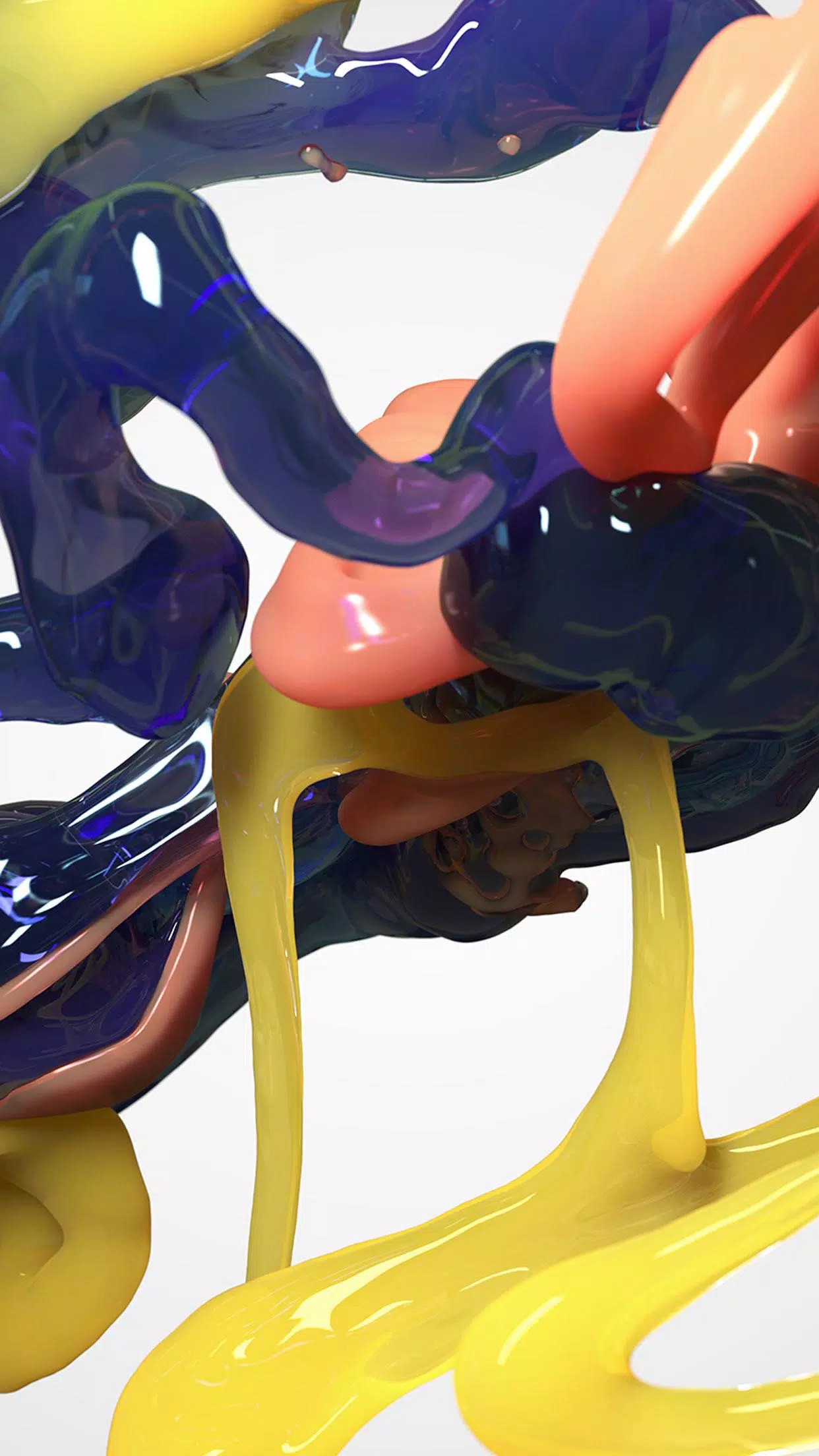
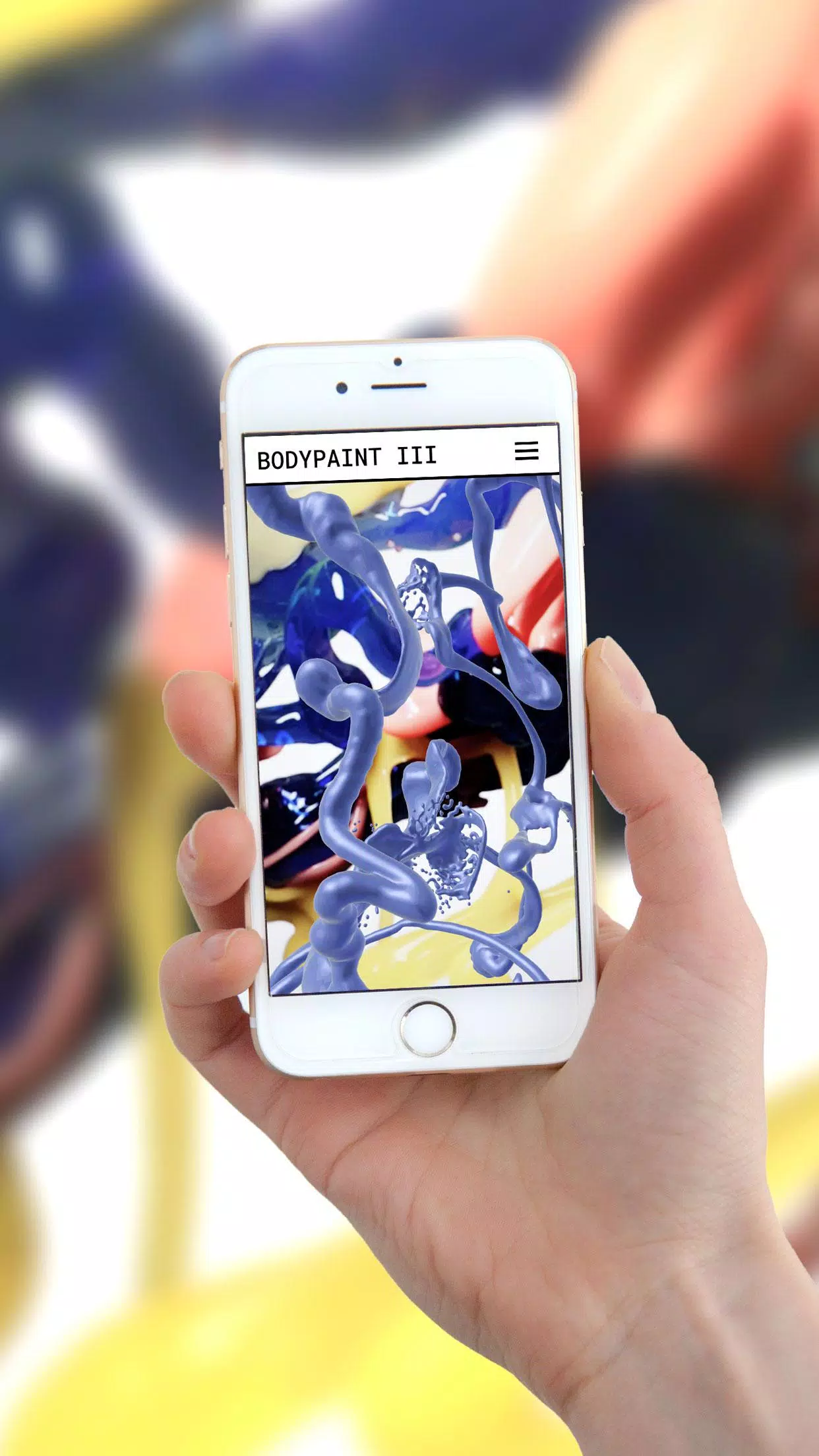
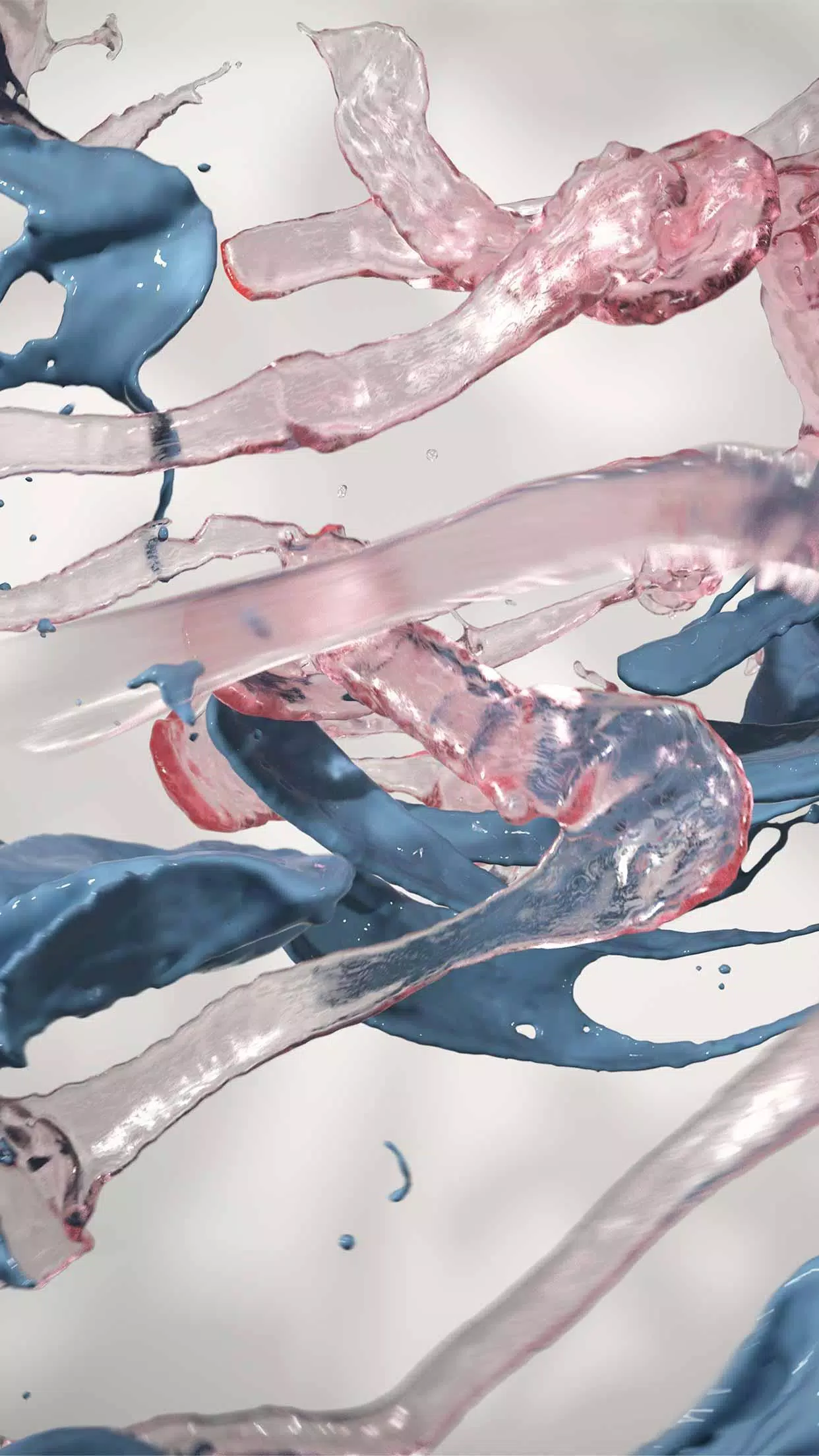
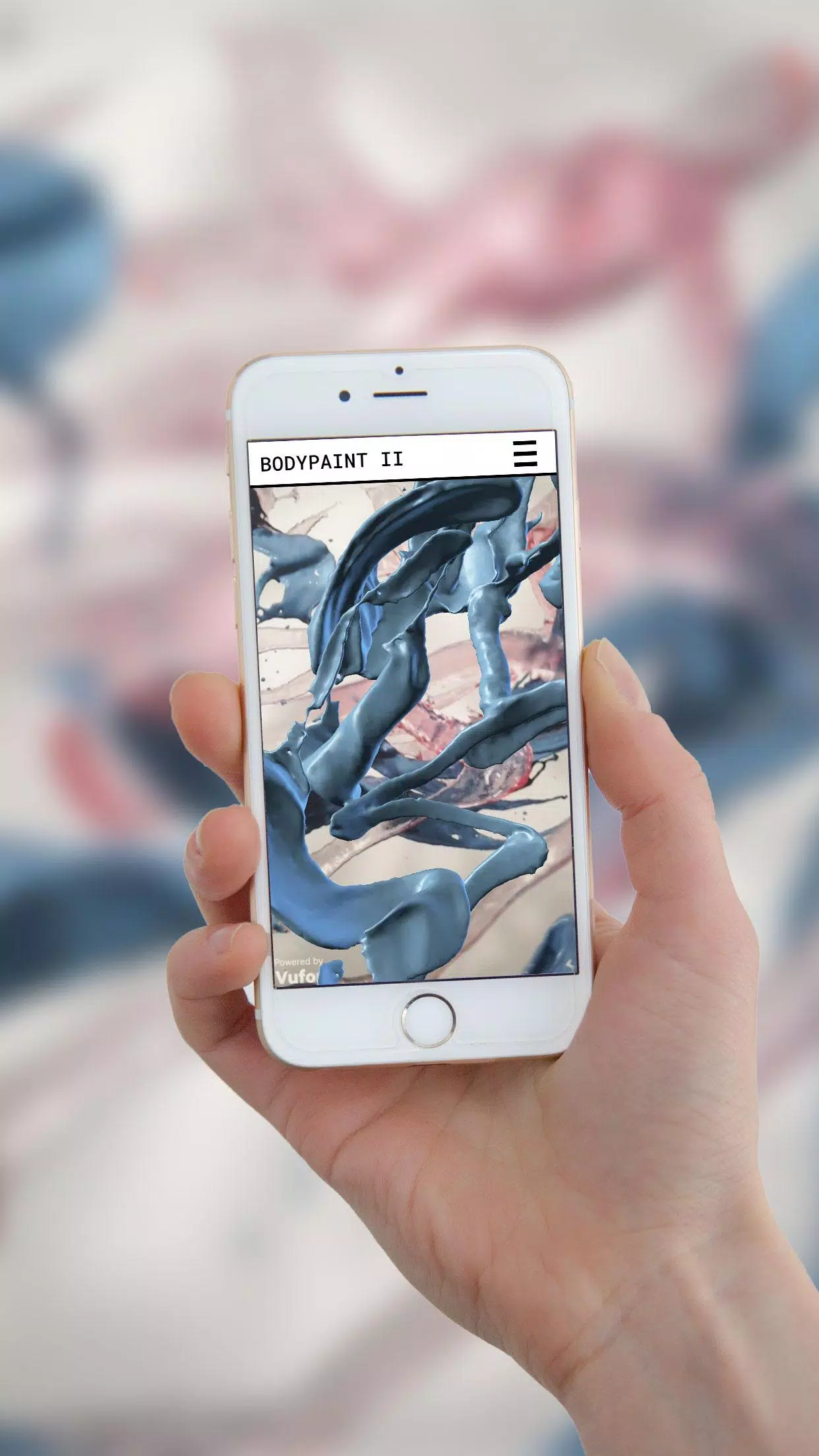










-
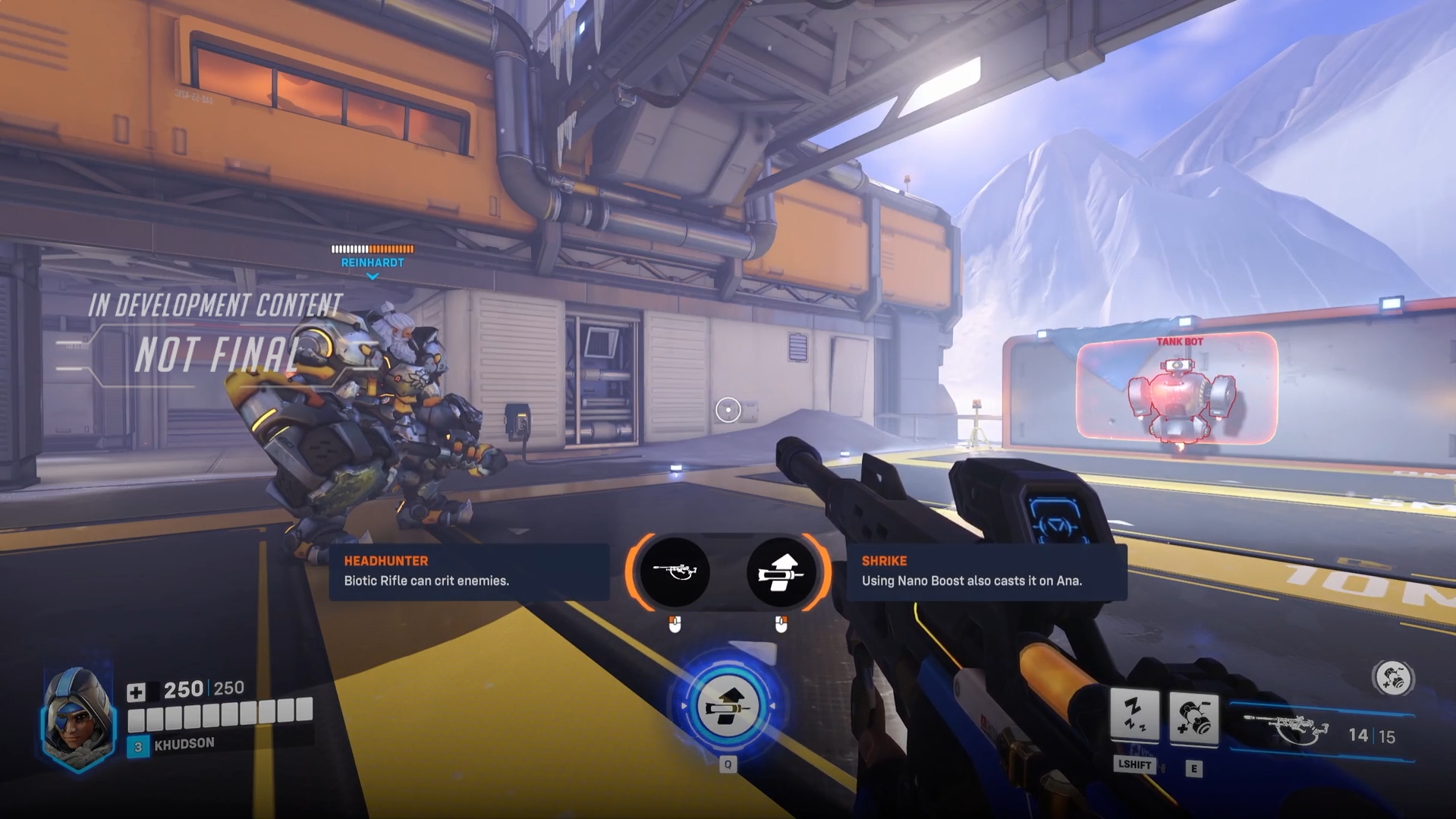 Blizzard se une al auge de Marvel Rivals y anuncia una importante revisión de Overwatch 2
Marvel Rivals ha suscitado inevitables comparaciones con Overwatch desde su revelación. En esencia, Marvel Rivals refleja el juego de Blizzard; aunque cuenta con héroes y villanos de Marvel como personajes jugables, sigue siendo un shooter de héroes
Sep 19,2026 -
Se publicaron las notas de la parche de la temporada 3 de Black Ops 6
Los jugadores de Clash Royale finalmente pueden liberar un Dragón Infernal mejorado después de casi una década. La legendaria bestia de fuego recibe un importante aumento de poder en esta tan esperada evolución. Supercell celebró el anuncio con el co
Sep 19,2026 - ◇ Con el fracaso de 'Elio', un ejecutivo de Pixar admite que es un 'momento difícil' para hacer películas originales, pero la alternativa es 'hacer Toy Story 27' Sep 16,2026
- ◇ Disney Magic Match 3D Abre la Prerregistración Sep 15,2026
- ◇ WoW revela los poderes de Plunderstorm Sep 14,2026
- ◇ La actualización de las Profundidades Abisales de Albion Online se acerca a su lanzamiento Sep 13,2026
- ◇ Dragon Raja añade nueva clase y contenido de raids en la última actualización del carnaval de verano Sep 13,2026
- ◇ Monitor Samsung Odyssey Neo G8 4K ahora a $499 con cupón de $800 Sep 12,2026
- ◇ El tráiler teaser de El Diablo Viste Prada ofrece a los fans la primera visión del reencuentro de Meryl Streep y Anne Hathaway como sus icónicos personajes Sep 10,2026
- ◇ Un calendario tiene 12 de estos, para cruce de palabras corto - Try Hard Guides Sep 09,2026
- ◇ Starbreeze cancela Dungeons & Dragons y recorta personal por Payday Sep 07,2026
- ◇ Fans celebran tras la eliminación por parte de Google de dos de los mayores canales de trailers falsos en YouTube Sep 07,2026

- 1 Cómo obtener todos los atuendos de habilidad en Infinity Nikki Feb 28,2025
- 2 Pokémon GO Fest 2025: fechas, ubicaciones y detalles del evento Jan 08,2025
- 3 Internet ucraniano estancado como 'S.T.A.L.K.E.R. 2' Liberación abruma Dec 30,2024
- 4 Black Myth: Wukong encabeza las listas de Steam días antes de su lanzamiento Jan 07,2025
- 5 Pokémon TCG Pocket: Wonder Pick Fecha, hora y tarjetas de promoción - Febrero de 2025 Mar 03,2025
- 6 Inzoi, un coreano como Sims, retrasado a marzo de 2025 Mar 01,2025
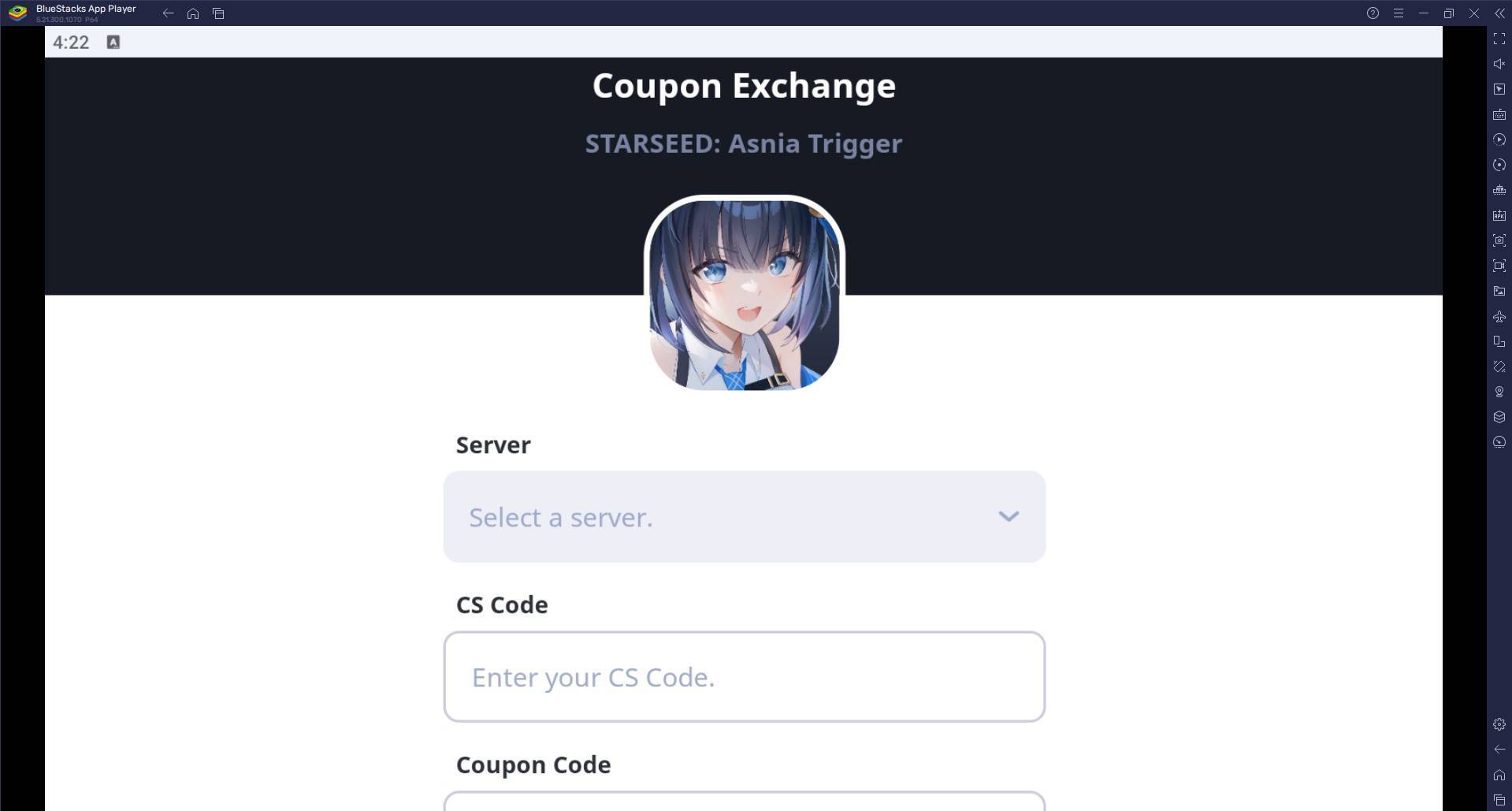
- 7 Códigos de activación de Asnia Starseed (enero de 2025) Mar 06,2025
- 8 Assassin's Creed Shadows pospuso hasta marzo de 2025 para mejorar Feb 21,2025





-
Juegos hipercasuales adictivos para un juego rápido
Un total de 10
-
Los mejores juegos de rol para Android
Un total de 10