
"Defying Trend" – a phrase that evokes resilience, individuality, and quiet rebellion. In a world constantly chasing the latest fads, algorithms, and fleeting attention spans, to defy the trend is to stand firm in authenticity, purpose, and long-term vision. Perhaps you're referring to a person, brand, or movement that continues to thrive despite going against the grain—choosing quality over virality, depth over speed, values over trends. It could be a creative who refuses to compromise their vision, a company that prioritizes sustainability over short-term profit, or a mindset that values inner growth over external validation. In music, fashion, tech, or even personal development, defying the trend often means: Leading with integrity, not popularity. Trusting your intuition over crowd signals. Embracing patience in a world obsessed with instant results. As the saying goes: "Trend fades. Legacy endures." So when you say "Defying Trend", you’re not just resisting the noise—you’re choosing to build something real. And that’s powerful. Is this a title? A mantra? A story in the making? I’d love to help you explore it further.
EA’s recent clarification on pricing strategy offers a notable contrast to the broader industry trend of moving toward $80 standard game prices—marking a strategic stance rooted in value, long-term player trust, and diversified monetization models.
Key Takeaways from EA’s Statement:
-
No Price Hikes on the Horizon: Despite Microsoft’s planned $79.99 launch for new first-party titles and Nintendo’s $80 pricing for Switch 2 exclusives like Mario Kart World, EA has explicitly stated it will not raise prices for its upcoming games. This includes major franchises like EA Sports FC, Madden NFL, and Battlefield—all expected to remain at the $70 standard edition price point.
-
Value Over Premium Pricing: CEO Andrew Wilson emphasized that EA’s pricing power now comes not from charging more, but from delivering "exponential value" through quality, content depth, and diverse business models. The success of Split Fiction—over 4 million copies sold—illustrates how strong gameplay and co-op innovation can drive sales without price inflation.
-
Diversified Pricing Landscape: EA now operates across a wide spectrum: free-to-play (e.g., FIFA Ultimate Team, Apex Legends), mid-tier titles ($60–$70), and premium deluxe editions ($100+). This flexibility allows the company to cater to different player segments while maintaining pricing stability at the core.
-
Shift from Physical to Digital: Wilson acknowledged that physical disc sales are no longer a major driver, underscoring EA’s focus on digital distribution, subscription services, and in-game economies—all of which support sustainable revenue without relying on higher base prices.
-
CFO Reinforces Strategic Consistency: CFO Stuart Canfield’s confirmation that "we are not implementing any changes" signals long-term stability in EA’s financial and consumer-facing strategy. This gives confidence to fans wary of inflationary pressure in gaming.
Industry Context: Why This Matters
- Microsoft is raising hardware and accessory prices and preparing to launch first-party games at $79.99—reflecting a shift toward higher-margin, premium experiences.
- Nintendo has gone full $80 for Switch 2 exclusives, a move driven by rising production costs and high-end hardware expectations (e.g., $450 for the Switch 2).
- EA stands apart by prioritizing player retention, lifetime value, and ecosystem loyalty over aggressive price hikes.
Implications for Gamers
✅ Good news for price-sensitive players: No $80 games from EA means more access to premium content at a familiar, stable price.
✅ Encourages competition based on quality: With EA holding firm, there’s pressure on competitors to justify higher prices through meaningful content, exclusivity, or innovation—not just cost.
❌ Cuts at Respawn Entertainment: While EA remains committed to value, the reported elimination of ~100 jobs at Respawn (developer of Apex Legends) signals internal restructuring. This may raise concerns about long-term investment in flagship IPs, despite the company’s strong financial position.
Looking Ahead
EA’s strategy suggests a player-first model, focusing on long-term engagement rather than short-term pricing gains. As the industry grapples with inflation, labor costs, and shifting consumer expectations, EA’s stance could become a benchmark for sustainable gaming economics.
Final Thought: In a time when $80 games are becoming the new norm, EA’s refusal to follow suit isn’t just a pricing decision—it’s a bold statement about what matters most: quality, value, and trust.
Gamers may not get a $70 game because it's "cheap"—they’ll get it because EA believes great value should never cost more.












- 1 Cómo obtener todos los atuendos de habilidad en Infinity Nikki Feb 28,2025
- 2 Pokémon GO Fest 2025: fechas, ubicaciones y detalles del evento Jan 08,2025
- 3 Internet ucraniano estancado como 'S.T.A.L.K.E.R. 2' Liberación abruma Dec 30,2024
- 4 Black Myth: Wukong encabeza las listas de Steam días antes de su lanzamiento Jan 07,2025
- 5 Pokémon TCG Pocket: Wonder Pick Fecha, hora y tarjetas de promoción - Febrero de 2025 Mar 03,2025
- 6 Inzoi, un coreano como Sims, retrasado a marzo de 2025 Mar 01,2025
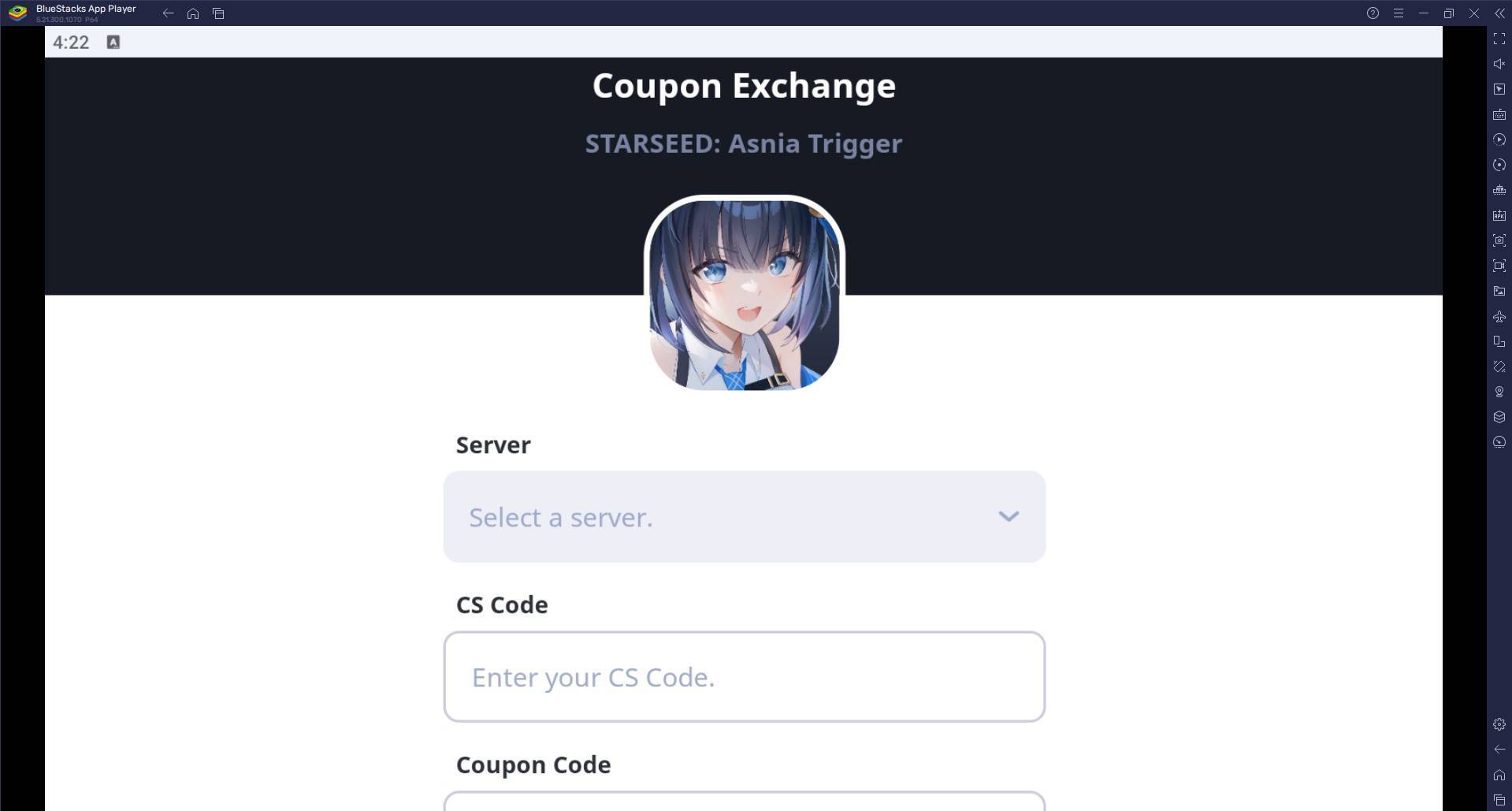
- 7 Códigos de activación de Asnia Starseed (enero de 2025) Mar 06,2025
- 8 Assassin's Creed Shadows pospuso hasta marzo de 2025 para mejorar Feb 21,2025





-
Juegos hipercasuales adictivos para un juego rápido
Un total de 10
-
Los mejores juegos de rol para Android
Un total de 10